The vibrant island nation of Jamaica, known worldwide for its rich musical heritage, stunning beaches, and warm hospitality of its people, has a colorful history that has shaped its present-day culture and laws. Like many nations, Jamaica’s legal system has evolved over time, inheriting colonial-era laws and crafting new ones in response to the unique needs of its populace. In this journey, we will explore some of the most peculiar laws – some still in effect and others long repealed – that have existed on this Caribbean paradise.
Weird Jamaican Laws
1. Obeah and Myalism Prohibition:
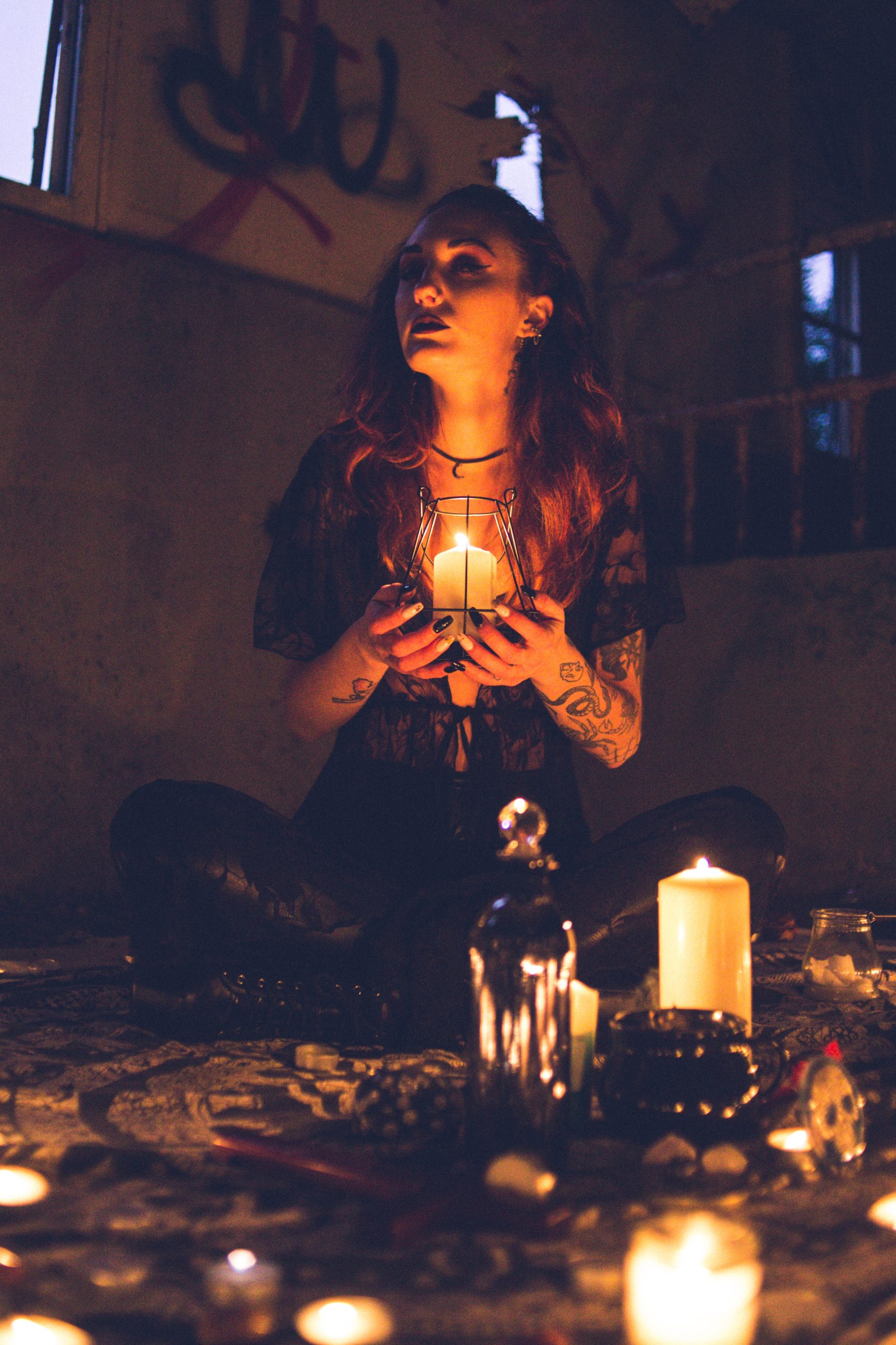
Obeah and Myalism, two spiritual practices rooted in West African tradition and brought over by enslaved Africans, became deeply entrenched in Jamaica’s cultural fabric. Obeah is often linked to magic, witchcraft, and supernatural healing, while Myalism is associated with spiritual possession. Given the colonial establishment’s fear of these practices as potential sources of rebellion or means to undermine authority, both were criminalized in the 18th century. The Obeah Act of 1898 made it an offense to practice or be involved in Obeah. Though rarely enforced today, it remains on the books.
2. Sagging Pants Prohibition:
Although not unique to Jamaica, laws against wearing pants that sag below the waist have been debated in the Jamaican parliament. It’s part of a broader discourse on public decency standards. While no law specifically states that one cannot wear sagging pants, police officers have been known to chastise or warn individuals who flaunt this fashion style too provocatively.
3. Profanity in Public Places:
Using profanity in public places can land you in hot water in Jamaica. The Towns and Communities Act makes it an offense to use indecent or obscene words in public spaces. With the country’s vibrant culture, where dancehall music and passionate conversations can sometimes lead to colorful language, this law has been a point of contention.
4. Dueling Ban:
In a bygone era, settling disputes through duels was a standard practice worldwide. Recognizing the dangers of this, Jamaica introduced anti-dueling laws in the 18th century, making it illegal to either engage in or promote duels. While dueling is now a relic of the past, this old law remains a testament to Jamaica’s commitment to maintaining public peace.
5. Importation of Camouflage:
Jamaica has stringent regulations when it comes to camouflage. It’s illegal for civilians to import, wear, or sell any camouflage clothing, as it’s reserved exclusively for the military. Tourists are often warned not to wear camouflage patterns while visiting the island to avoid any legal complications.
6. Ban on Importing Honey:
One might wonder what harm a little honey might cause, but Jamaica takes its honey seriously. To protect local bee populations from diseases that foreign honey might introduce, Jamaica prohibits the importation of honey. While it might seem peculiar, this law underscores Jamaica’s commitment to protecting its biodiversity.
7. Naming Restrictions:
Jamaica, like many nations, has guidelines regarding naming conventions. Some names are considered inappropriate or offensive, and parents are discouraged from using them. This might be due to historical, cultural, or religious reasons.
8. Sunday Cinemas:
There was a time when it was illegal for cinemas in Jamaica to operate on Sundays. Rooted in the country’s Christian heritage, which emphasizes the sanctity of the Sabbath, this law has been relaxed in recent years, recognizing the changing dynamics of modern society and the demand for leisure activities on weekends.
Conclusion
Laws, by their very nature, evolve over time, reflecting the changing values, beliefs, and needs of society. What might seem weird or quirky to outsiders (or even to modern-day Jamaicans) offers a unique insight into the history, culture, and priorities of a nation.
Jamaica, with its tumultuous history of colonization, slavery, and eventual liberation, has a legal tapestry that’s as rich and varied as its cultural and natural landscape. While some of these “weird” laws might raise eyebrows, they serve as a reminder of the island’s journey through time, highlighting both its colonial legacies and its strides towards self-definition in the post-colonial era.
Whether it’s the deeply spiritual underpinnings of laws around Obeah, the societal norms reflected in naming conventions, or the eco-conscious thinking behind honey importation bans, Jamaica’s peculiar laws tell a story – one of resilience, adaptation, and a deep connection to both history and land. It’s a story worth delving into for anyone keen on understanding the intricate interplay between culture, history, and law in the Caribbean heartland.